

Case study
From seasonal interest to subscription orders
The Atlantic Canada Box sends a new collection of regional products each season. We brought Google and Meta advertising into the business, added a recurring seasonal buying option and worked on the handoff from subscription to shipment. Early campaign reviews reported orders through Meta, giving the brand a new route to customers.


The Challenge
The business had a distinctive seasonal product, but paid promotion was largely limited to boosted social posts. Customers could buy a single box or pay for a year, while an ongoing seasonal subscription was missing. Finding the next customer and keeping an existing one both needed attention.
Fulfillment added another obstacle. Later shipments in an annual subscription were not reaching ClickShip, leaving the team to handle them separately. Billing, packing and dispatch needed to follow the real seasonal schedule, rather than simply count three months from each purchase.

The Solution
We treated acquisition and repeat buying as one project: reach people looking for a subscription, make the offer easy to understand and work through the operational steps behind every seasonal box.

Give the seasonal box a route to new customers
Google campaigns focused on the seasonal subscription and the reasons someone would buy it. Product and FAQ work addressed the questions behind that decision, including what arrives, when it ships and how the subscription works. The message stayed distinct from the corporate and custom gifting offered by The Maritime Box.

Make paid social accountable to orders
Meta campaigns went live, with early orders reported during the campaign review. Performance discussions then looked at the return from paid campaigns alongside boosted posts and other social activity. The focus was what the spend brought back to the business, rather than how much content had been published.
Make the next season easier to buy
A recurring seasonal option was added alongside one-time boxes and prepaid annual subscriptions. Customers could choose to keep receiving the box instead of signing up again each season. Billing and dispatch rules were reviewed against the published seasonal dates, with the remaining configuration planned around that promise.
Make fulfillment fit the subscription
We worked with the subscription and shipping providers on an approach that creates a separate order for each shipment. The team also learned how to review upcoming subscription demand. The intended payoff was straightforward: make each box easier to find, prepare and send, while keeping the customer's subscription intact. Final rollout depended on testing the billing and shipping dates together.
The Results
Google and Meta advertising moved the store beyond occasional boosted posts, with early Meta orders reported during campaign review. Customers gained a recurring seasonal option alongside one-off and annual purchases. The next stage of fulfillment work supports that repeat business, so new demand can become orders the team can manage season after season.

Atlantic Canada Box
Category
- Google Ads and Meta ads setup
- Purchase tracking and campaign review
- Shopify subscription options and storefront improvements
- Shipping and subscription fulfillment support
- SEO and FAQ content for seasonal gift shoppers
- Product catalog and shopping feed setup
- Practical training for store and subscription management
Tools



- Seal Subscriptions

- GA4
More projects

 Tap to preview the experience
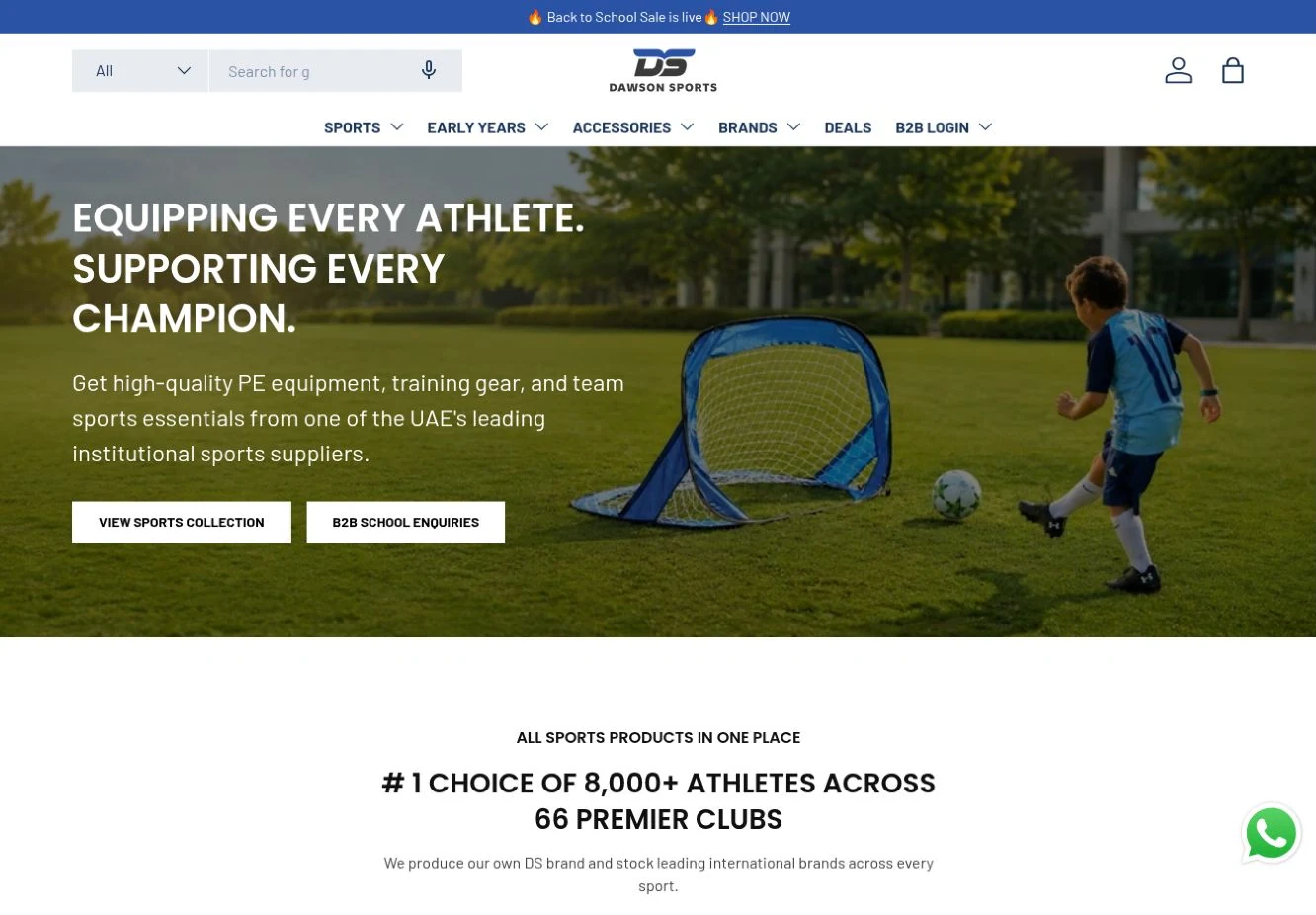
Dawson Sports ME
One store for retail and school buyers, with HubSpot quotes

 Tap to preview the experience
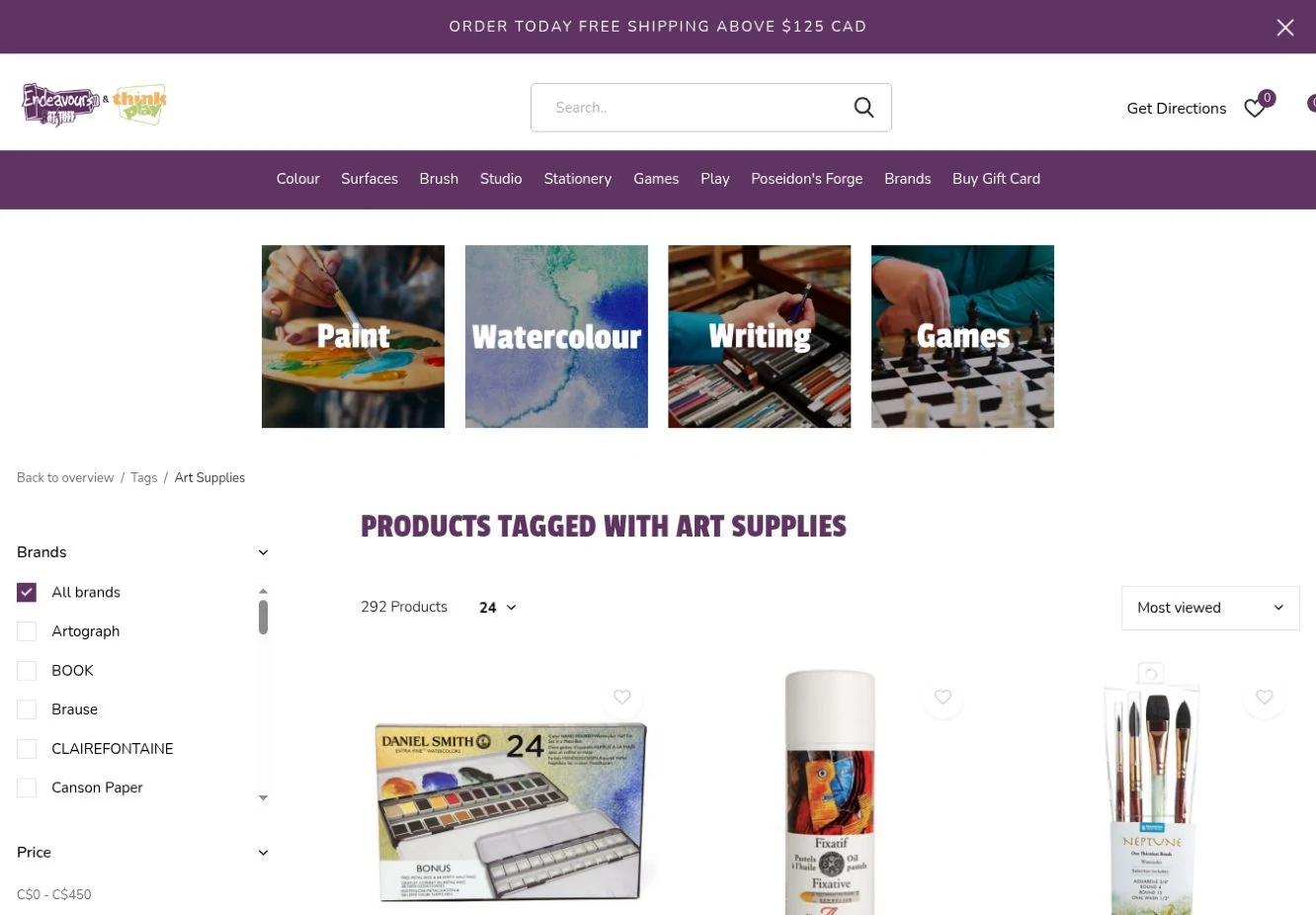
Endeavours
Tracking and migration planning for a Lightspeed creative retailer

 Tap to preview the experience
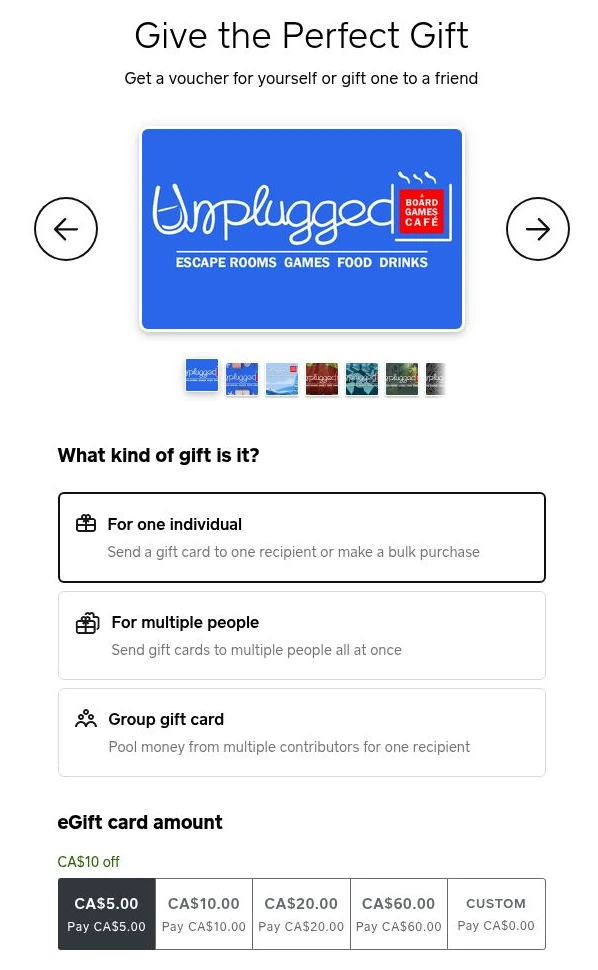
Unplugged Games Cafe
Local search and bookings for a games café and escape rooms