
Put your ad budget behind profitable orders.
Reach ready shoppers with products you can sell profitably, and see what the orders earn after costs.
- Know what your spend earns
- Send shoppers to products they can buy
- More budget where it matters
- Give shoppers a reason to choose you
Built around your business
More sales should leave you with more.
- 01
“The ad report looks good. Profit does not.”
Judge orders after product, delivery and advertising costs.
- 02
“Our ads promote products shoppers cannot buy.”
Avoid paying for visits to unavailable products and variants.
- 03
“Are we paying for customers we already had?”
Separate new demand from shoppers already looking for your brand.
Be everywhere your buyers shop.
Run it all from one place.



A store built to convert
We design and build your Shopify store, then keep testing and improving it.











Reach every channel
Feeds and ads for Google, Meta, TikTok, and AI assistants, synced with your catalog.
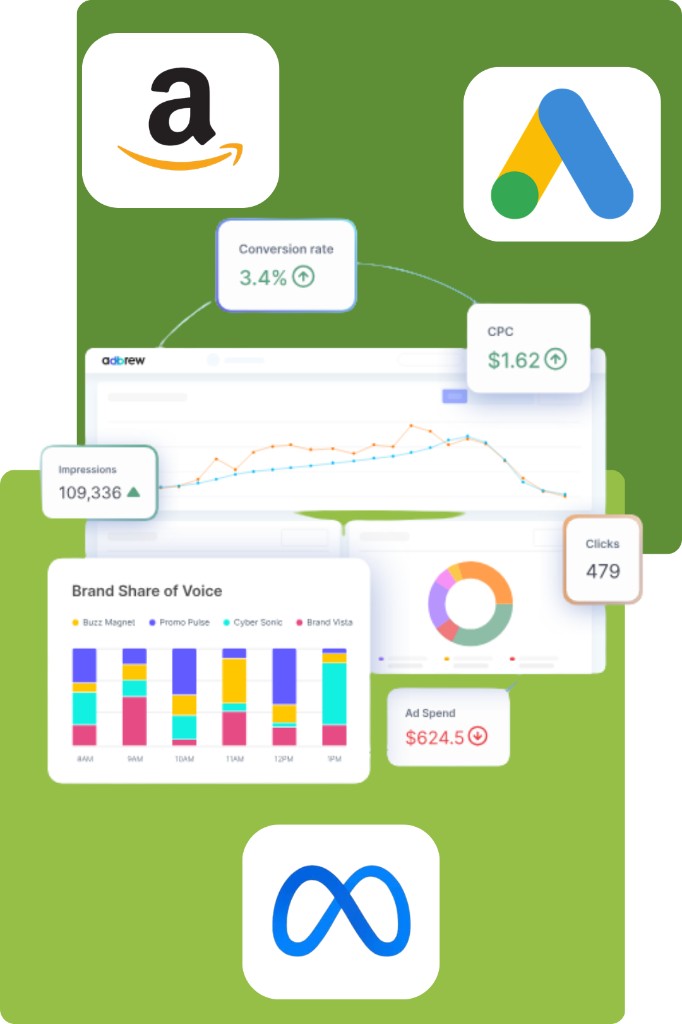
Make more of your ad budget.
Focus on customers and orders worth winning.
What could make each visit worth more?
Compare revenue scenarios using your own store numbers.
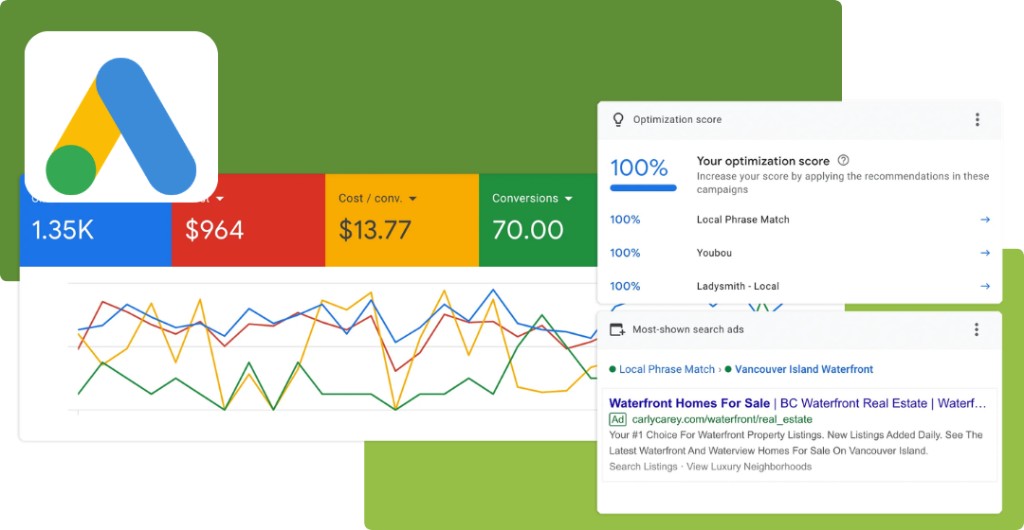
We work with the tools your team already uses. And when you adopt something new, we manage the change.
Including Gmail, Shopify, Mailchimp, Zapier, Google Ads, Slack, HubSpot, Klaviyo.
See all integrations







Ecommerce PPC Management FAQs
What is PPC in ecommerce?
Ecommerce PPC includes paid product placements in Google Search and Shopping, Performance Max, Meta and Amazon. Product feeds guide targeting, margins vary by SKU and purchases happen online rather than through a sales call. That makes feed quality and campaign structure especially important.
Do ecommerce sites need both SEO and PPC?
They often work well together. PPC brings immediate traffic and shows which searches convert. SEO can lower acquisition cost over time, allowing paid campaigns to reach new audiences. SEO takes longer to build, while ads require ongoing spend. We coordinate them to avoid paying unnecessarily for terms already ranking strongly.
What are Google Shopping ads and why do they matter so much?
Shopping ads show a product image and price before the buyer clicks, making them a high-intent placement. Product titles, attributes, images and price competitiveness determine which searches they appear on. Feed quality matters alongside budget.
How should we run ads for a Shopify store that has never advertised?
Start small, with available products and enough margin to support advertising. Check that shoppers can buy easily, then test one channel with a clear budget and measure of success.
Can we grow a Shopify store without ads?
Yes. Thin margins or low order values can make paid traffic unprofitable. SEO, email, SMS and conversion improvements can grow sales without ad spend and help prepare the business for paid campaigns later. We check those economics before recommending ads.
How do PPC management fees usually work?
Fees may be flat, tied to spend or a mix. Ask for the scope and cost in writing, and keep the ad accounts in your business so your history stays with you.
Make your next ad dollar count.
Tell us what your ads are bringing in, and we’ll help you find the next opportunity.