
Drive Revenue
Marketing
We do everything it takes to make you a leading brand in your niche. SEO, AI Search, shopping feeds, PPC and the channels that grow you, run as one plan. Not split up and sold separately.
Included in this package
Start with the path that matches what you need first. It is still one plan.
Be everywhere your buyers shop.
Run it all from one place.




A store built to convert
We design and build your Shopify store, then keep testing and improving it.













Reach every channel
Feeds and ads for Google, Meta, TikTok, and AI assistants, synced with your catalog.
Get a free digital marketing review
Get a free written review of your marketing, with findings ranked by their cost to your business. No commitment.
One team accountable for your marketing
SEO, ads, product feeds, email and your store managed together. Explore each service below.
- Ecommerce SEO
- AI search visibility
- Conversion optimization
- Pay-per-click (PPC)
- Paid social
- Amazon advertising
- Product feed
- Email and SMS
- Reviews and reputation
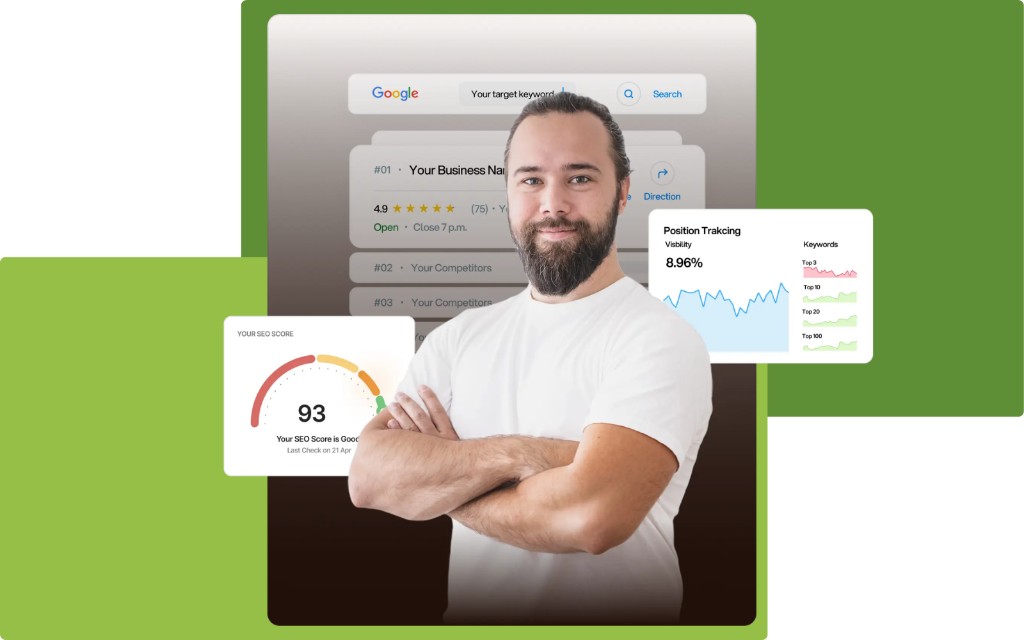
Organic rankings for the terms that actually convert.
You do not have to buy every one of these. Most programs start where the analytics say the cheapest revenue is, and the free store audit tells you which one that is.
Automate routine marketing
Build emails, posts and campaigns around customer activity in accounts you own. AI helps draft copy, choose timing and flag underperforming flows. Your team reviews the work before unattended sending begins.
Nothing runs unattended by default. Every automation asks before it acts until you have watched it work, and anything we run can be paused the same day you ask. That is the point: an operation someone else could take over, including us.
Talk to us about marketing automation
Estimate your growth opportunities
Use your store’s numbers to compare the estimated value of more traffic, better conversion or higher order values. Takes about two minutes.
We work with the tools your team already uses. And when you adopt something new, we manage the change.
Including Gmail, Shopify, Mailchimp, Zapier, Google Ads, Slack, HubSpot, Klaviyo.
See all integrations







Shopify and E-commerce Performance Marketing case studies


Shopify and E-commerce Performance Marketing FAQs
What does a Shopify marketing agency actually do?
We manage paid media on Meta, Google and Amazon, SEO for non-brand searches, email and SMS automation, and shared measurement. Reports are checked against store revenue so budgets follow overall results. A channel that only appears profitable in its own report may need less budget.
Does Shopify have email marketing built in, or do we need Klaviyo?
Shopify Email suits simple campaigns and smaller lists. Klaviyo adds deeper segmentation, automation logic and revenue reporting by flow. It is often worth considering after a few thousand engaged profiles or when automations drive a meaningful share of revenue. We set up either and can migrate later.
Why not just use the numbers in Meta and Google?
The platforms can both claim the same order, so adding their reports overstates revenue. Their modeled attribution windows also affect the figures. We compare them with store revenue and overall acquisition cost. Platform reports remain useful for comparing campaigns within a channel.
What ad spend do we need before this makes sense?
The management fee should be a small part of your ad budget. If it would take too much of the budget, we recommend fixing tracking, email automation and conversion first. We will tell you when spend is too low for a managed program to produce useful learning.
Do you require a long contract?
Six months minimum, for the same reason as our growth work. The first four to six weeks go into measurement, and paid learning phases plus SEO both need time before results are readable. A three-month engagement ends right as the data becomes useful, which serves nobody. After the initial term it moves to rolling with 30 days notice.
Who owns the ad accounts and the creative?
You do, without exception. Ad accounts, pixels, domains, and analytics stay in your business manager with us as a user we can be removed from. Creative assets and the source files are yours. We do not run client spend through our own accounts, because that traps historical performance data with the agency and makes leaving expensive. If an agency resists this, that is the reason.
How do SEO and paid work together rather than competing for budget?
Paid search brings traffic quickly and shows which keywords and messages convert. That data helps prioritize SEO, which can lower overall acquisition cost over time. We manage them together to avoid unnecessary bidding on terms already performing well organically.
What if our margins are genuinely thin?
We review margins before spending. With thin margins, higher order values, repeat purchases and lower shipping costs may matter more than acquiring more customers. If paid ads cannot break even without pricing or order-value changes, we will explain that first.
Know what you pay for each order
Send us last quarter’s spend and revenue. We will calculate the cost across channels and show where reported figures differ.