
Build a Shopify store your team can manage
We design, build and migrate Shopify stores for high-volume brands, with ERP, CRM and shipping integrations that simplify daily work.
+45.69% reported revenue, nameless commerce dashboard.Read the case studyGet a free Shopify store review
Get a free written review of your store’s speed, conversion, tracking and apps. No commitment.
We don’t sell maintenance plans. Our builds don’t need them.
One Shopify build, one team and one plan. Start with a free audit before a sales call, then explore the work your store needs.
- Store development
- Shopify Plus
- Headless
- Mobile app
- B2B and wholesale
- Shipping and freight
- Augmented Reality (AR)
- System integrations
- Customer success
- Ongoing support

A storefront your team can edit, with custom features where needed.
Most engagements start with two or three of these and grow into the rest. You are quoted for the parts you need, in writing, never for the bundle.
Not always a new build
Moving to Shopify? We handle the migration too.
Moving from Magento, WooCommerce or a disconnected POS takes more than a new storefront. We plan the transfer of your catalog, customers, order history and existing URLs as part of the build.
See how we move storesThe problem
- 01
“Every order gets typed into our ERP by hand.”
Manual order entry takes time and creates errors that lead to short shipments and credit notes.
- 02
“Our theme was fine two years ago. Now every change breaks something.”
Old app code can turn a simple content edit into a developer task that breaks other features.
- 03
“We don't know if the site is slow or if it's just us.”
Without real customer performance data, your team is left comparing opinions and desktop test scores.
What you get
An agreed scope, senior developers and everything in accounts you own.
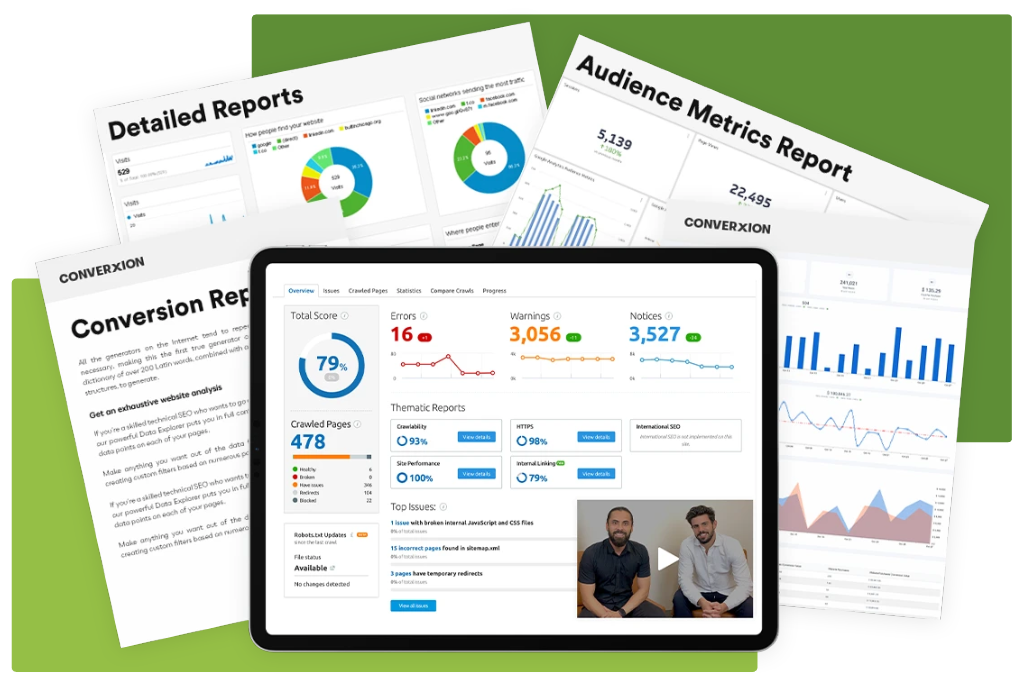
Start with a free store audit
We review your store with read-only access and send a written list of issues, recommended fixes and what can stay as it is. If you do not need us, we say so.
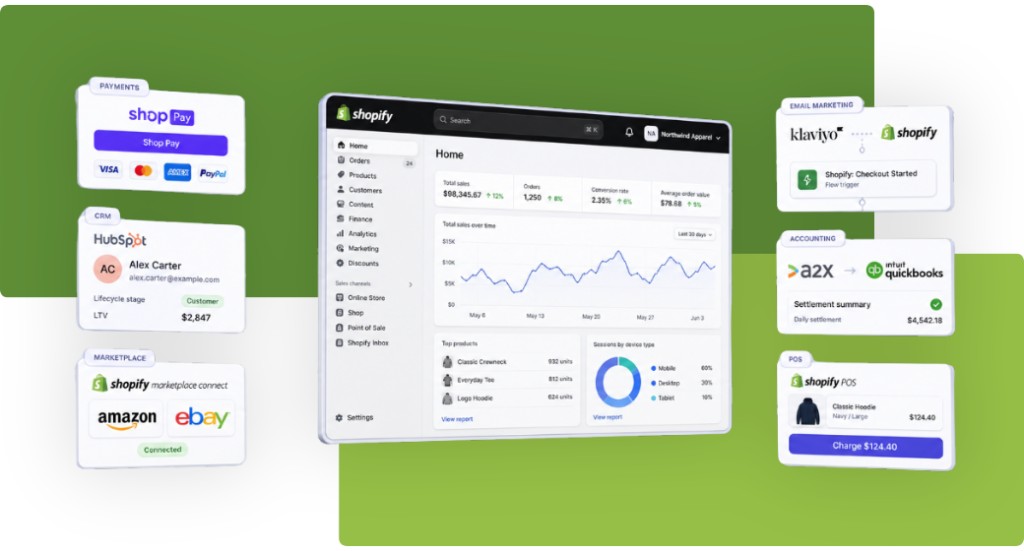
We work with the tools your team already uses. And when you adopt something new, we manage the change.
Including Gmail, Shopify, Mailchimp, Zapier, Google Ads, Slack, HubSpot, Klaviyo.
See all integrations








Shopify Design, Development and Migration FAQs
How long does a Shopify build actually take?
Most builds take six to ten weeks after a one-week discovery phase. Catalog data quality and integrations affect the timeline more than design. One ERP integration adds two to three weeks. Product data cleanup can run alongside other work, but may still affect the schedule.
Will we lose search rankings when we replatform?
Not if the redirect map is done properly. Every existing URL gets mapped to its new destination before launch, we keep the mapping in a spreadsheet you can audit, and we monitor Search Console for 404s and crawl errors for 30 days after cutover. Expect a short dip in the first two weeks while Google recrawls, then recovery. The risk is real but it is a process problem, not an unavoidable cost.
Do we own the code, or are we locked into you?
You own all of it. Theme code lives in your GitHub organization, the store is in your Shopify account, and any middleware runs on infrastructure billed to you. We do not hold licenses, we do not use proprietary page builders, and we do not charge to hand things over. If you want to move to another agency or bring it in-house, everything they need is already in your accounts with documentation.
Can you work with our existing theme instead of rebuilding?
Often, yes. Extending a well-maintained commercial theme is usually cheaper. We recommend rebuilding when old app code has accumulated, the theme predates Online Store 2.0 and limits editing, or the theme itself causes performance problems. We explain which option fits before quoting.
What happens to our order history and customer accounts?
Customers, addresses, and historical orders migrate. Passwords cannot transfer between platforms for security reasons, so customers set a new password on first login, and we handle that with a communication sequence rather than letting people discover it at checkout. Subscription contracts are the one genuinely difficult case: those usually need coordination with the subscription app vendor and sometimes re-authorization from the customer.
Who does the work after the sales call?
The same people you spoke with. You get a named senior developer and project lead, without a handoff to a junior team. A weekly call, shared task list and weekly Loom recap keep you informed.
Tell us what your team is doing by hand. We automate it.
A 30-minute call to review your systems and possible integrations, followed by a written scope and price.