


Case study
Put customer data to work for the next order.
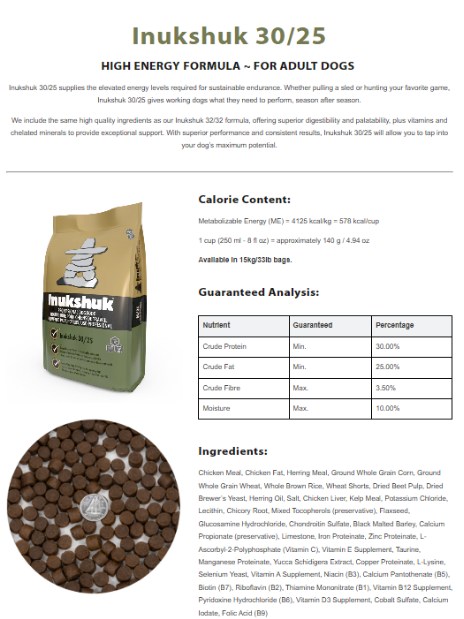
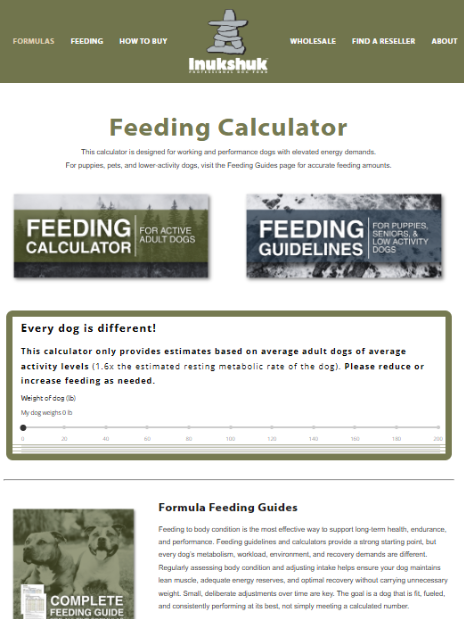
Corey Nutrition / Inukshuk serves wholesale and direct-to-consumer customers with performance pet food. eSolve connected Shopify customer information with HubSpot and corrected reorder timing, giving the team more useful information for customer follow-up and the next stage of its wholesale operation.
The Challenge
Repeat wholesale business depends on knowing who has ordered, what they can buy and when they are likely to need more. That information was spread across systems, and an unreliable reorder workflow made timely customer follow-up harder.
The business also had to account for regional pricing, product availability and freight while helping the sales team adopt a new way of working. A bigger technology rollout would only be useful if the people processing orders could use it with confidence.
The Solution
We started with the information that supports repeat orders: customer status, recent ordering activity and an expected next-order date. The shared help desk followed, rolled out around the team, with product discovery scoped as the next phase.
Know when a regular customer may need more
We corrected the workflow that calculates an expected next-order date from recent ordering activity. The result is written back to HubSpot, with a contact-level fallback when there is no linked company. The team can see a useful follow-up signal within the customer record.
Let customer status trigger the right next step
Shopify B2B customer tags were connected to HubSpot so onboarding workflows can recognise a wholesale buyer. The team could then shape communication around the customer's location and product access, using information from the store rather than relying on repeated manual tagging.

Build around the way the team sells
The rollout accounted for different regional buying and freight requirements. Existing order processing would continue while the team tested onboarding and learned the new workflow, keeping day-to-day trading central to the plan.
Change management that removed operational risk
Wholesale claims now run through a shared help desk, so a claim's history no longer depends on one person's inbox. Calls, emails and orders attach to the ticket on their own, giving a colleague enough context to help when the usual contact is away. The rollout went user by user so nobody's day broke during the switch, and each role sees only what it uses. Shared views are locked against accidental deletion, card details customers send by email are purged under a documented procedure, and nothing customer-facing is automated without sign-off from sales leadership.
Prepare to reach more customers
The next-stage organic plan covered shopping feeds, product information and search visibility for the direct-to-consumer store. Phased options let the business consider that expansion alongside its operational rollout and available capacity.
The Results
The team gained customer information it previously could not see together: ordering context, Shopify B2B status and an expected next-order date. That gives customer follow-up a more useful starting point and creates a foundation for repeat business. The shared help desk is now live for wholesale claims, and broader product discovery remains a defined next phase.

Inukshuk
Category
- Shopify and HubSpot customer sync
- Expected reorder date automation
- B2B customer tagging and onboarding triggers
- Customer and company record workflows
- Regional ordering and onboarding review
- Wholesale rollout support
- Shared help desk for wholesale claims
- Phased, per-user rollout and change management
- Role-based access and protected team views
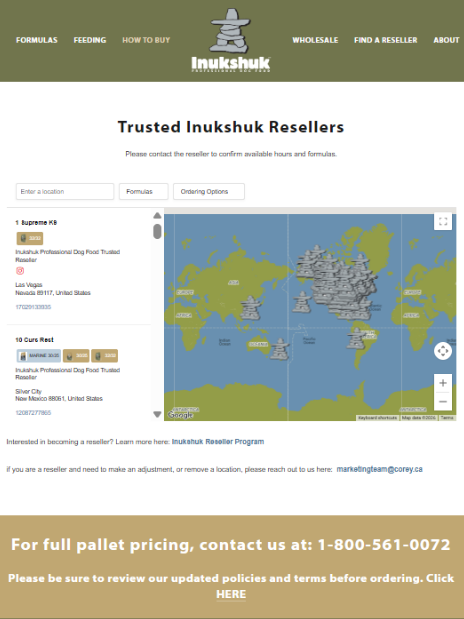
- Reseller application to dealer map sync
- ERP connection scoping
- Shopping feed and product discovery planning
- Phased organic marketing scope
Tools


- Zapier
- Google Sheets
More projects