
Case study
One Shopify for the cafe and the wholesale book.
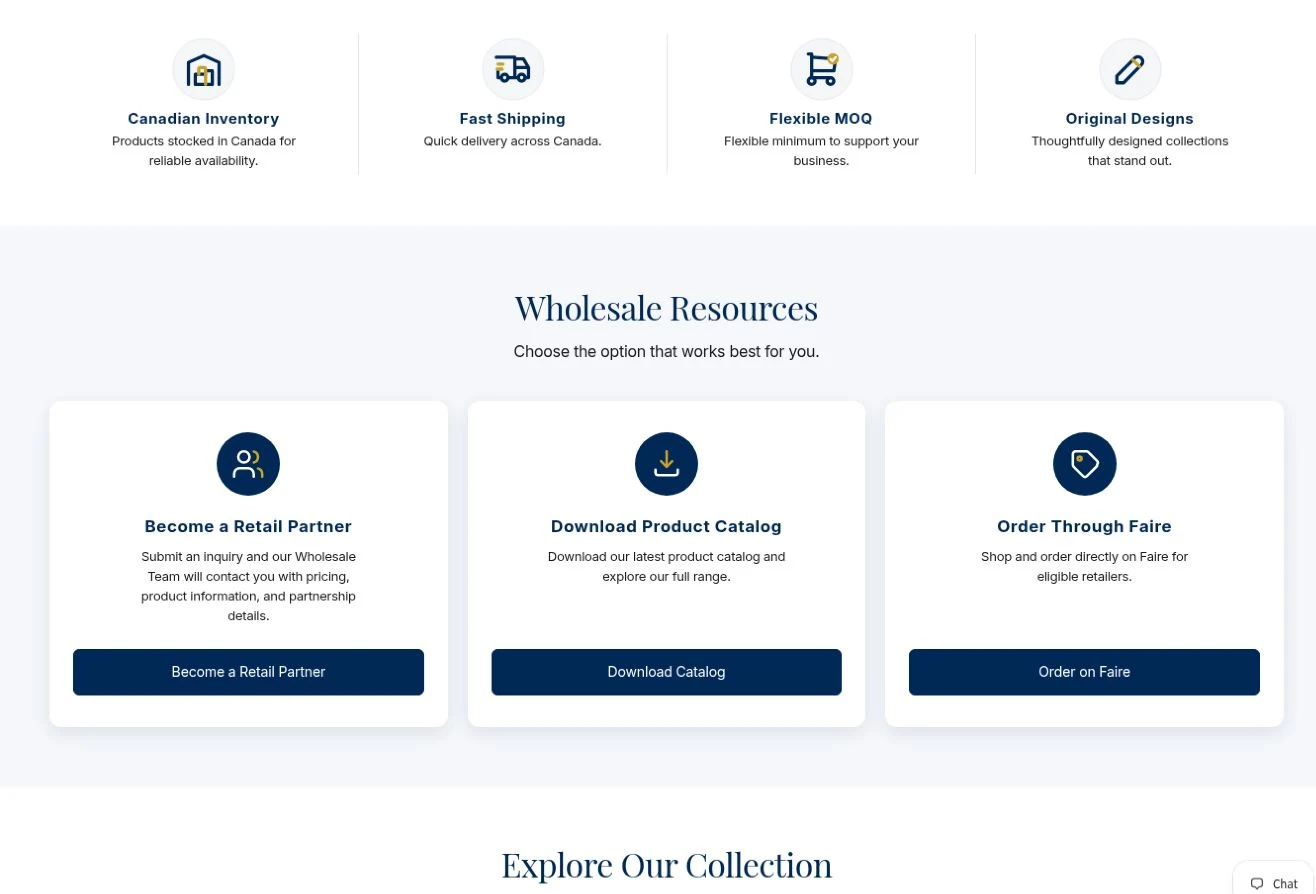
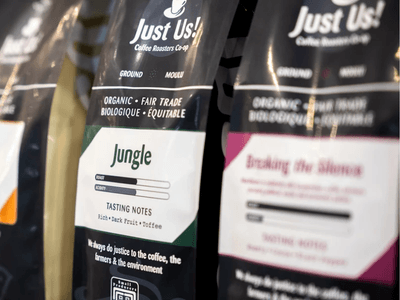
Just Us! Coffee Roasters runs cafes and wholesale on Shopify: a SparkLayer portal for buyer-specific pricing, and a Lightspeed-to-Shopify POS path for the cafe counters so both sides of the business share one operation.
The Challenge
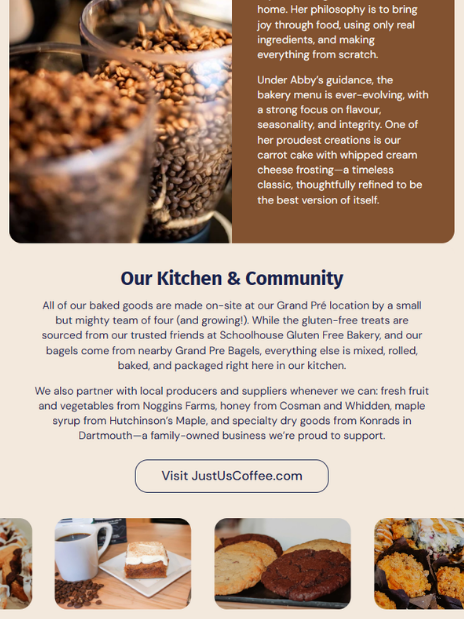
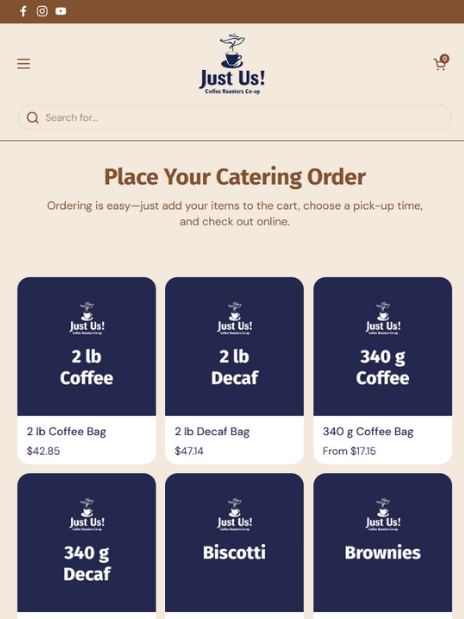
Just Us! is both a roasting and wholesale business and a set of cafe counters. Wholesale buyers need their own prices and a way to reorder without email. Cafe teams need a till that keeps pace with a rush: drinks that branch through size, milk, flavour and here-or-to-go, plus food and pantry on the same screen, with customer and product history that does not live in a separate Lightspeed world.
Keeping those as two systems means double maintenance: catalog, customers and inventory drift apart. The work was to put the cafe POS and the wholesale portal on the same Shopify operation, without asking either team to give up what they already rely on.
The Solution
Wholesale stayed on the existing SparkLayer portal. Cafe retail moved onto Shopify POS, with Lightspeed data brought across so the counters join the same catalog and customer base the wholesale book already uses.
Wholesale prices without the back-and-forth
Each wholesale customer orders against their own price book. Grocery, institutional and cafe accounts keep their agreed terms on one portal. Previous purchases are available in Shopify, and website orders flow into the ERP so the next order and the back office stay connected.
Cafe counters onto Shopify POS
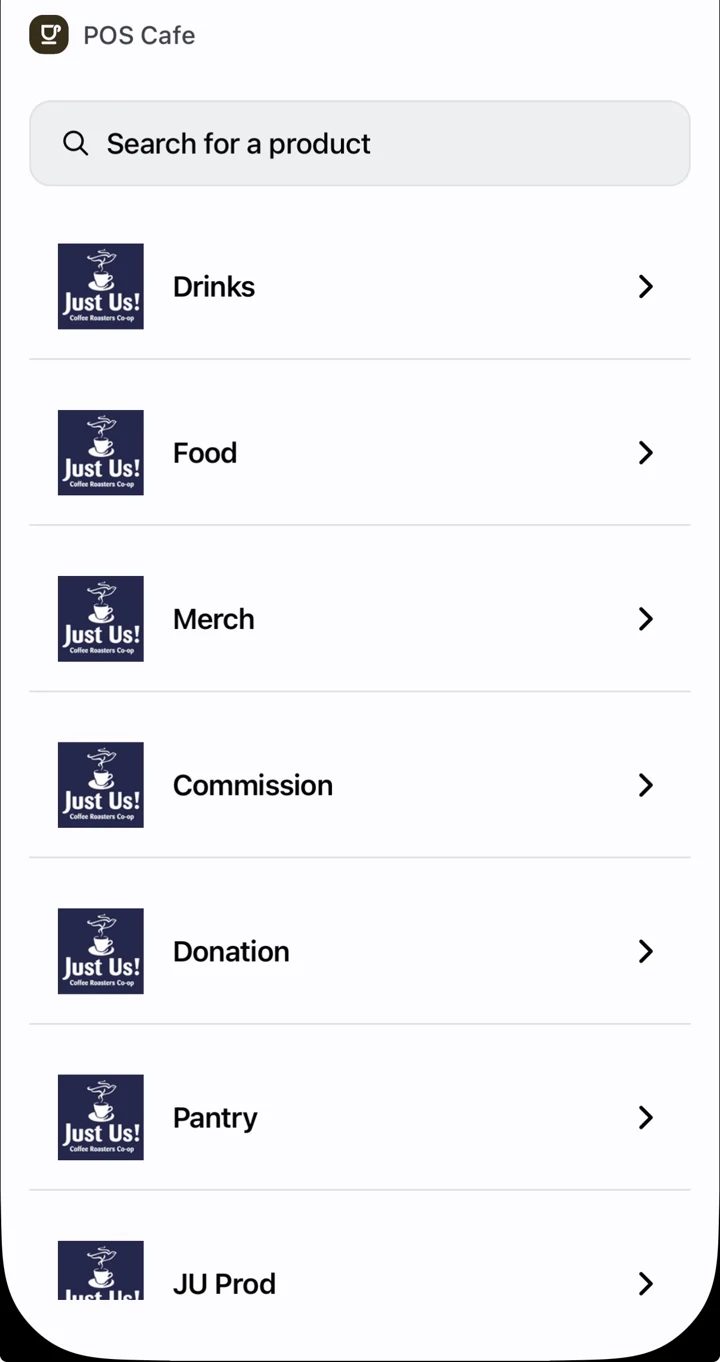
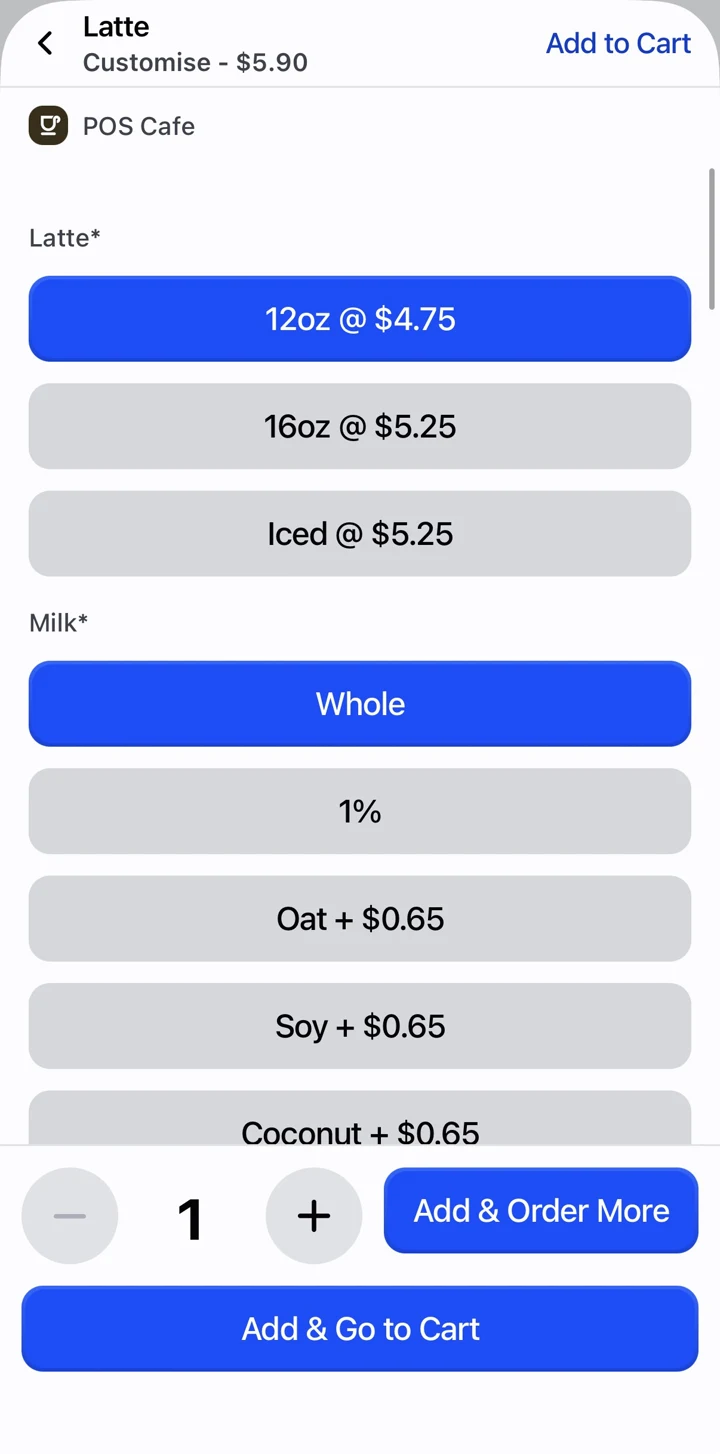
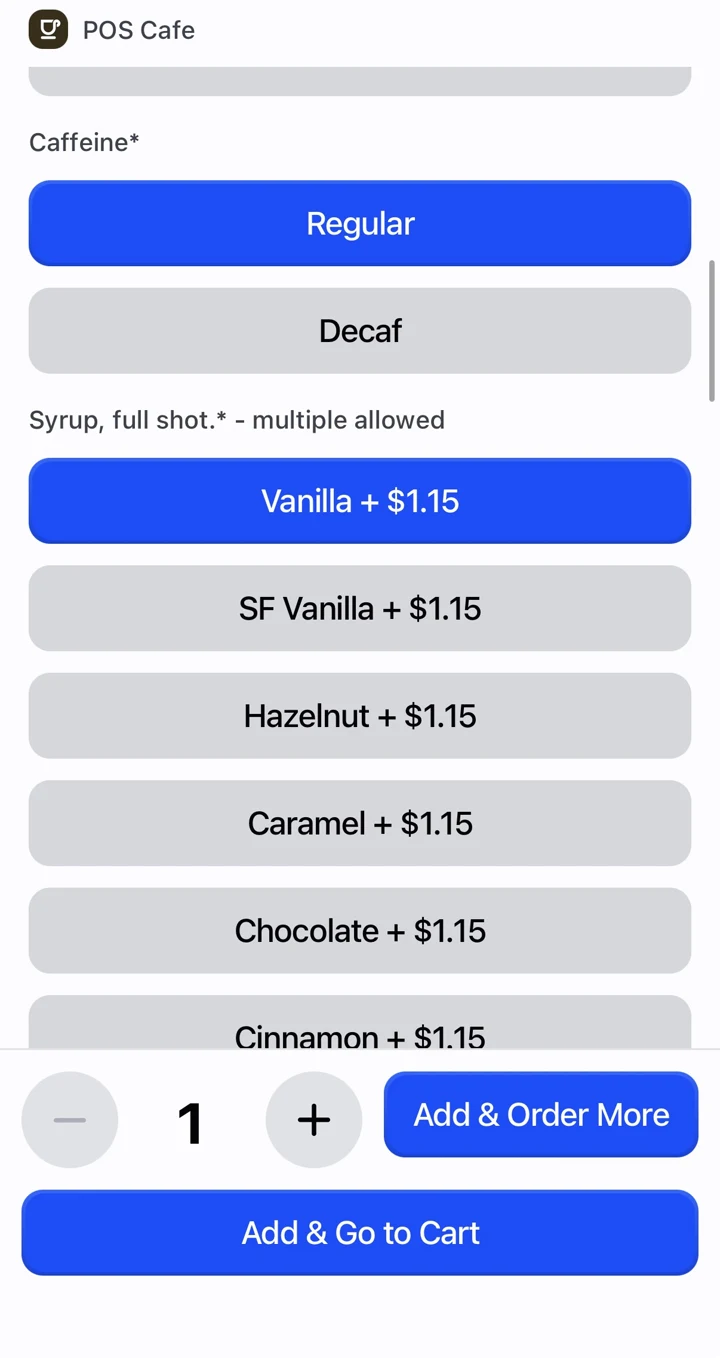
Cafe product and customer data moved from Lightspeed into Shopify so the registers can run on Shopify POS instead of a separate retail stack. A drink is rarely one tap: size, milk, flavour, caffeine and here-or-to-go stack into thousands of builds across the board. The till walks those choices in order, with upcharges and discounts on the same screen, so a rush stays accurate without a paper chart. Hardware, location setup and barista training sit with the operations team so the till matches how the cafes actually serve.
Two locations, one rollout plan
First-location POS hardware and setup come first; the second location follows the same layout once the first path is proven. Training for the POS is part of the engagement, with the cafe lead in the room so day-one workflows are theirs, not a handoff document.
Follow-up that fits the sales team
The CRM review focused on useful account context for wholesale: contacts, notes and customers whose usual orders had lapsed. HubSpot was evaluated; the team later selected Unbound for its native ERP integration. The choice followed how the sales team already works.
The Results
Wholesale buyers already reorder through the SparkLayer portal with their prices and history. Cafe retail is moving onto Shopify POS from Lightspeed, so the counters and the wholesale book share one catalog and one admin. The same team that serves coffee at the till and ships bags to stockists no longer has to keep two systems in sync by hand.

Just Us!
Category
- Shopify POS for cafe locations (Lightspeed migration)
- POS hardware planning and barista training
- Shopify B2B wholesale ordering with SparkLayer
- Customer-specific price books and order history
- Wholesale orders into the ERP
- CRM requirements and evaluation
Tools



More projects